
Review
Mortal Shell: sometimes turning into a statue is the best attack
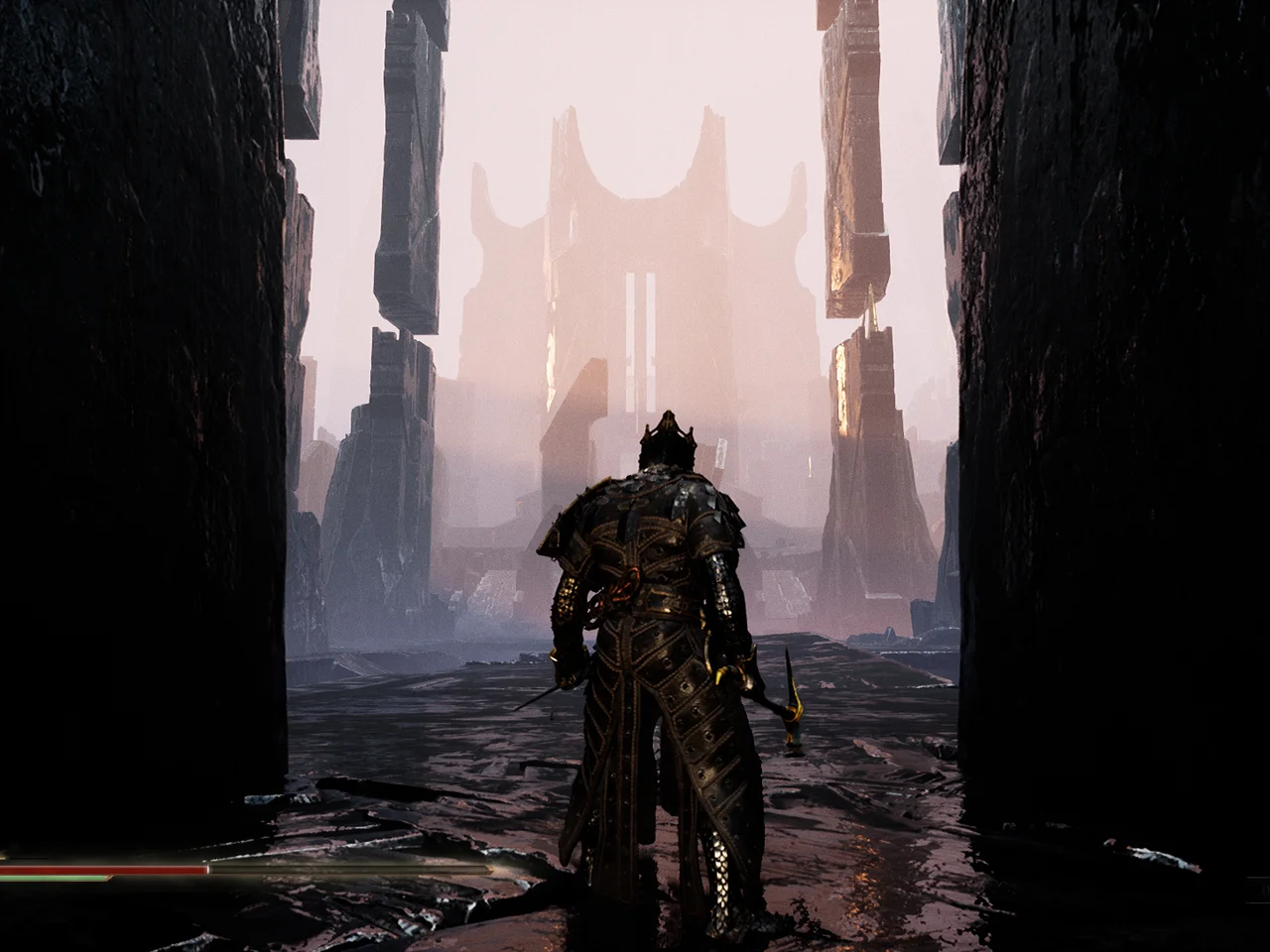
Mortal Shell borrows heavily from Dark Souls, but Harden and its four playable shells alter combat enough to give the game a mechanical identity of its own. Short, dense and uneven, it understands that copying difficulty alone was never enough.
Mortal Shell's defining mechanic briefly asks the player to stop being a person at all. Harden freezes the current action, turns the shell to stone, absorbs an incoming hit and then allows the interrupted movement to continue.
That single rule has consequences throughout combat.
Harden rewards aggression
Light and heavy attacks, stamina, dodges and parries all make Mortal Shell immediately familiar to Souls players. Harden changes the timing. Starting an attack no longer means fully committing to its vulnerability because stone form can interrupt that exchange without cancelling the swing.
GameSpot rightly identifies this as one of the game's important departures from FromSoftware's formula. It creates aggressive possibilities that a conventional shield would not.
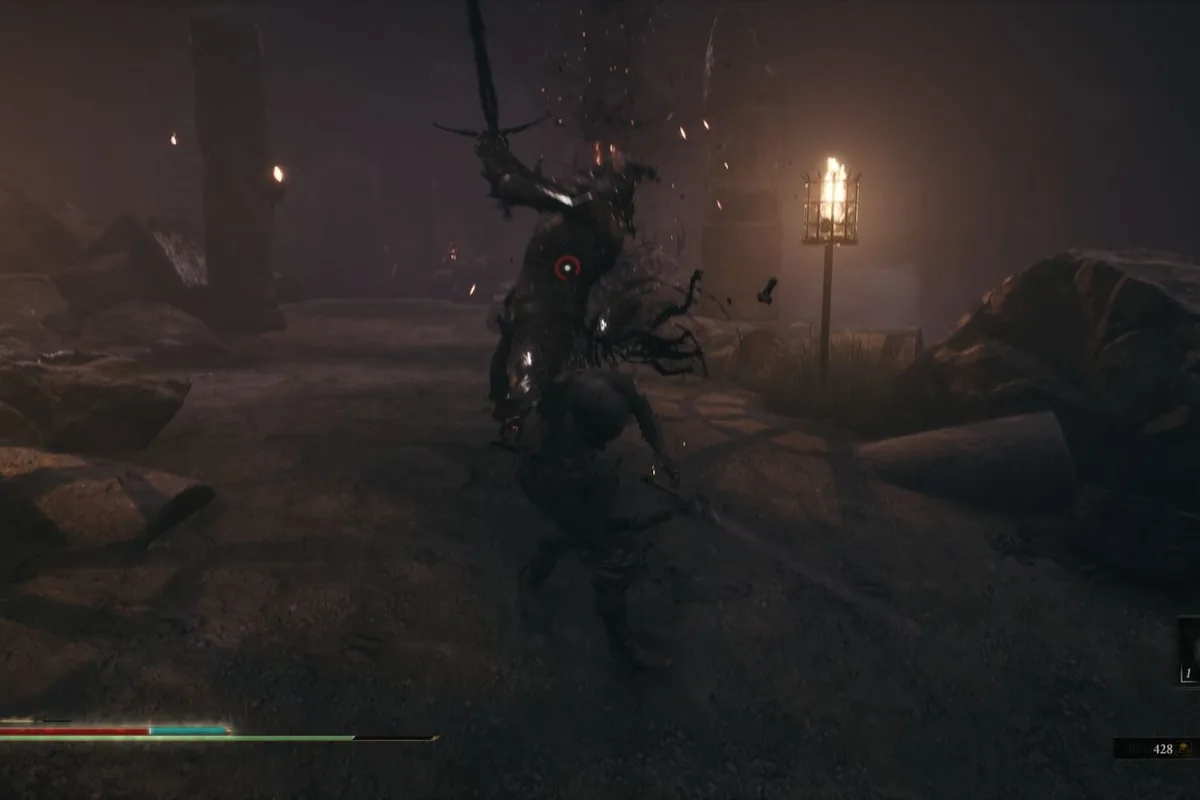
It can also become a crutch. Certain enemies and bosses encourage a repetitive pattern of harden, attack, disengage and wait. When that happens, a mechanic designed to increase tactical freedom makes combat more cautious instead.
Shells keep progression deliberately narrow
There is no sprawling attribute sheet underneath the Foundling. Four dead warriors provide four broad character configurations, each with different health, stamina, resolve and unlockable abilities.
PC Gamer sees that restraint as a strength. A player can understand the available builds quickly, switch bodies and experiment without spending an entire playthrough wondering whether ten misplaced points ruined the character.
Items reward curiosity
Familiarity is smaller but clever. Consumables initially hide part of their function, and repeated use reveals more information or improved effects. The system gives players a mechanical reason to actually consume mysterious items instead of preserving them indefinitely.
Navigation is a less elegant kind of difficulty
GameSpot criticises indistinct areas and enemy placements that can turn exploration into frustrating ambushes. Push Square similarly notes environmental roughness and substantial backtracking.
Those frustrations feel less intentional than a difficult parry window. Mortal Shell is at its weakest when the challenge comes from remembering which muddy corridor leads back to the place the player actually wanted.
A derivative game with real mechanical ideas
The Dark Souls influence is impossible to soften: bleak medieval fantasy, cryptic NPCs, deliberate melee combat and corpse-retrieval progression all arrive essentially intact.
Harden and the shell system earn Mortal Shell more credit than the visual imitation initially suggests. It is a compact Soulslike with enough mechanical thought of its own to justify the journey.
Strengths
- Harden meaningfully changes combat timing
- Four shells provide clear character archetypes
- Familiarity rewards experimentation
- Weighty and deliberate combat
- Compact length suits the available systems
Weaknesses
- Harden can encourage repetitive strategies
- Heavy backtracking
- Navigation can become confusing
- Some frustrating ambushes and encounters
- Extremely obvious debt to Dark Souls
Mortal Shell lacks the variety and absolute precision of its inspiration, but it spends its limited scope intelligently. Harden is a strong idea, shells simplify progression without making it trivial, and the short format keeps those mechanics concentrated. Backtracking and overly cautious encounters keep it below the best Soulslikes, not from being a very good debut.