
Review
Pokémon Pokopia: finally a Pokémon game where creatures are more than boxes to tick
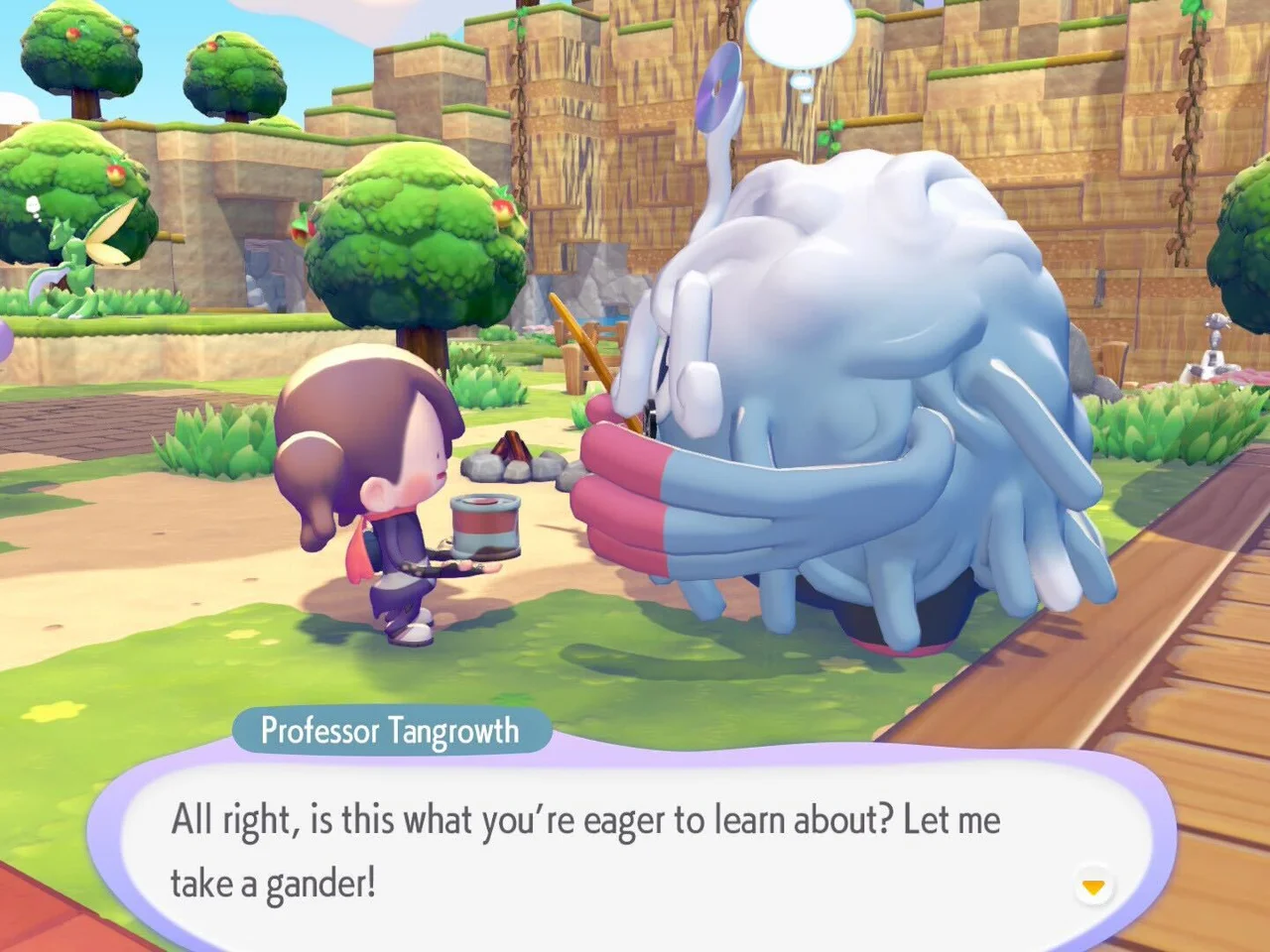
Pokopia replaces traditional catching with a much smarter idea: understand what a Pokémon needs and create a place where it actually wants to live. Building, exploration and collecting become one unusually free and warm progression loop.
Catching is replaced by understanding
Pokémon Pokopia turns collection into environmental design. Instead of weakening a wild Pokémon and throwing a Ball, Ditto creates the conditions that make a species appear.
GameSpot describes habitats as simple environmental puzzles: grass arranged one way attracts one set of Pokémon, while combining that same grass with a tree can attract another. Furniture and props produce more specialised possibilities.
Pokémon become residents rather than inventory
That shift gives collecting a different emotional weight. Pokémon have preferences, jobs, requests and uses within the settlements. Nintendo Life particularly praises the feeling that restoring the world is being done for its creatures rather than merely to complete a checklist.
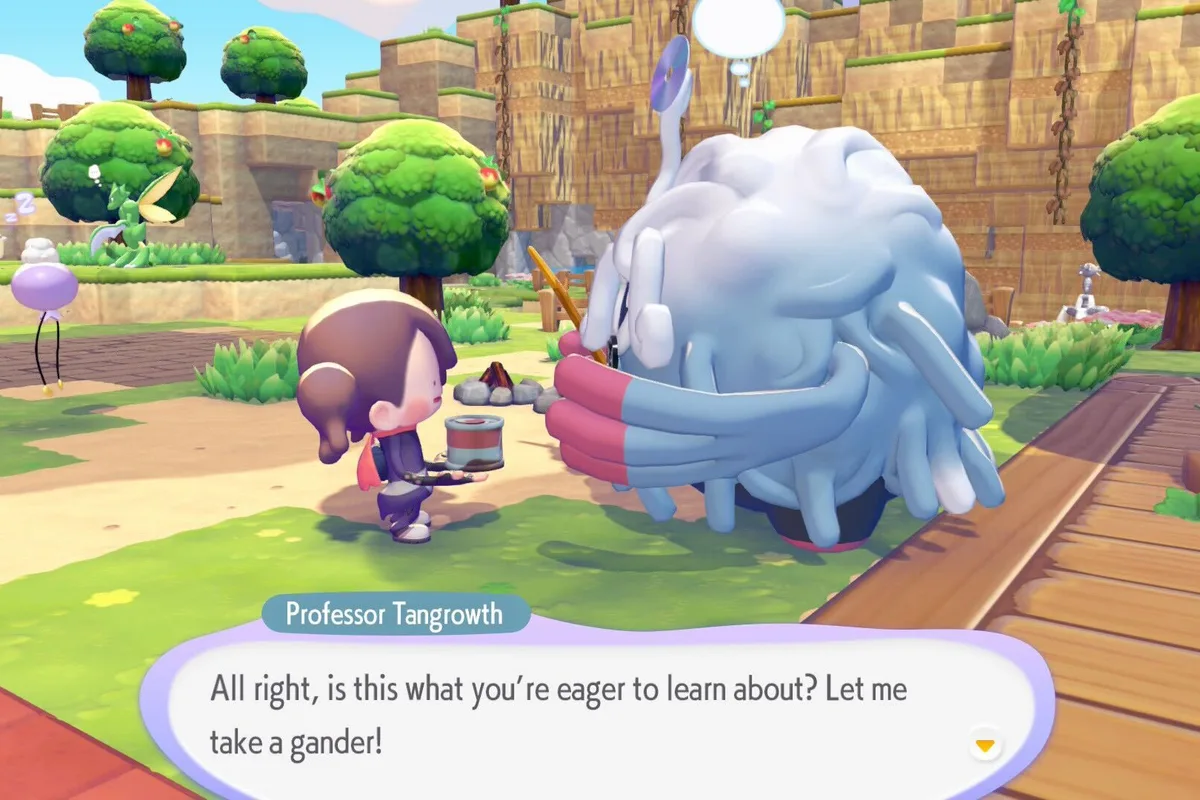
A new species may unlock another habitat, help construct a building or simply change the character of a neighbourhood. The Pokédex increasingly resembles a catalogue of relationships.
Ditto's moves replace ordinary tools
Progression is tied to learning Pokémon abilities. Water Gun restores vegetation, Leafage creates greenery, Rock Smash breaks terrain, and later techniques increase the ways Ditto can move through and reshape the landscape.
It is an elegant use of Pokémon mechanics in a genre that would normally hand the player a succession of axes and shovels.
Building is flexible, manipulation is not always elegant
Pokopia gives players considerable freedom to remodel its block-based maps, but large projects expose limitations. Nintendo Life reports fiddly aiming when breaking individual blocks, while GameSpot later argued that broader placement and terrain-editing tools would make ambitious construction less repetitive.
Mouse Mode helps significantly, especially when placing furniture and blocks at range, but it does not eliminate every precision issue.
Cosy can still become busy
There are Pokémon to find, habitats to solve, materials to remember, towns to rebuild, crops to grow and secrets hidden far outside the obvious route.
That abundance is one of Pokopia's great strengths and one of its few recurring sources of friction. Nintendo Life's second opinion describes the amount of activity as bordering on overwhelming, while later criticism has repeatedly focused on decentralised storage.
A spin-off confident enough to stop battling
Pokopia does not need combat to justify being a Pokémon game. The creatures define its movement, economy, puzzles, building and social structure.
That makes it one of the franchise's most convincing experiments precisely because it is willing to abandon one of the franchise's oldest habits.
Strengths
- Excellent reinterpretation of Pokémon collecting
- Habitats turn creature preferences into gameplay
- Strong freedom in building and exploration
- Pokémon moves directly power progression
- Huge amount of content and secrets
Weaknesses
- Block-by-block construction can be slow
- Some abilities are awkward to aim
- Storage management needs improvement
- The sheer number of tasks can become difficult to track
Pokémon Pokopia succeeds because it does far more than paste Pikachu onto Animal Crossing. Habitats, Ditto's borrowed moves and environmental restoration make Pokémon meaningful participants in almost every system. Building and storage tools could still be more convenient, but the central loop is one of the freshest ideas the franchise has produced in years.